English
 français
 Deutsch
 русский
 italiano
 español
 português
 العربية
 日本語
日本語 Polski
 中文
中文
Comment Pouvons-nous vous aider
Vous peut nous contacter de la manière qui vous convient Nous sont disponibles 24 heures / 7 jours via email ou téléphone.
Nous contacter
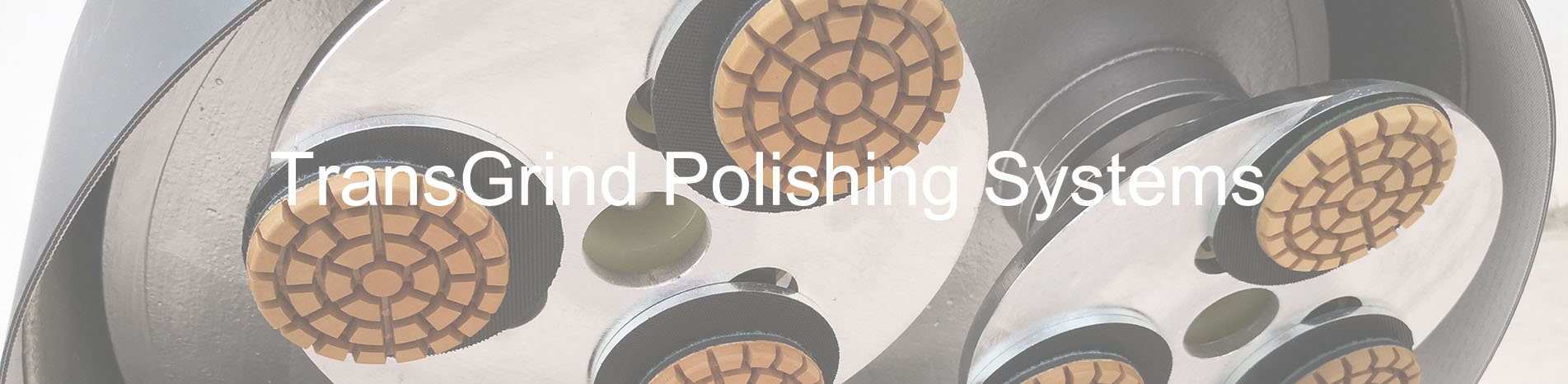
Les outils de meulage diamantés représentent un investissement précieux, et leur durabilité dépend en grande partie de leur entretien après chaque utilisation. Un nettoyage et un rangement adéquats sont souvent négligés, or ils ont un impact direct sur l'efficacité de coupe et la qualité du liant pour les projets futurs. Consacrer quelques minutes supplémentaires en fin de journée permet de prévenir des problèmes tels que le glaçage, la corrosion et l'usure prématurée.
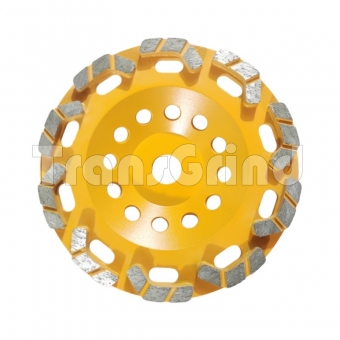
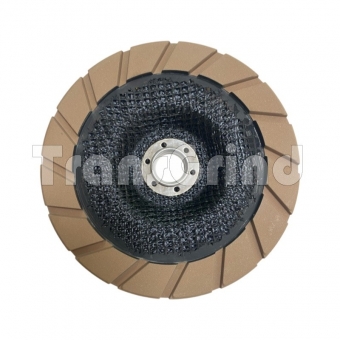
Le nettoyage doit commencer immédiatement après utilisation de l'outil. La poussière, les boues et les résidus d'adhésif laissés sur les outils de meulage diamantés peuvent durcir et entraver l'exposition du diamant. Pour le meulage à sec, l'utilisation d'air comprimé ou d'une brosse métallique souple suffit généralement à éliminer les débris compactés entre les segments. Disques de meulage diamantés Lavina sont utilisées en milieu humide, en les rinçant à l'eau claire et en les laissant sécher complètement.
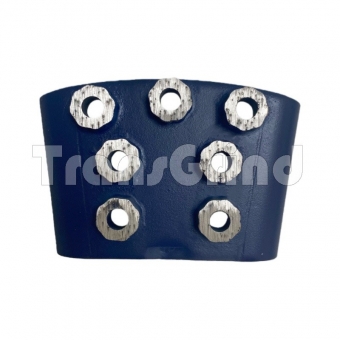
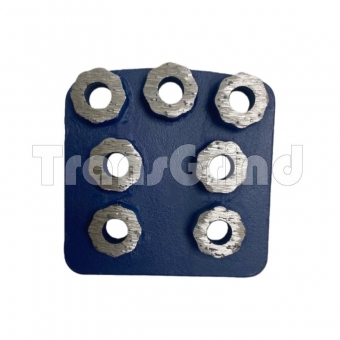
Un soin particulier est requis lors du nettoyage outillage à liant métallique Il convient de vérifier l'absence de glaçage ou d'accumulation sur les surfaces de collage. Si la surface du segment paraît lisse et brillante, un léger polissage de l'outil avec un bloc abrasif approprié avant le rangement peut permettre de rouvrir le collage. Ceci garantit une coupe efficace lors de la prochaine utilisation, évitant ainsi que l'outil ne glisse sur la surface.
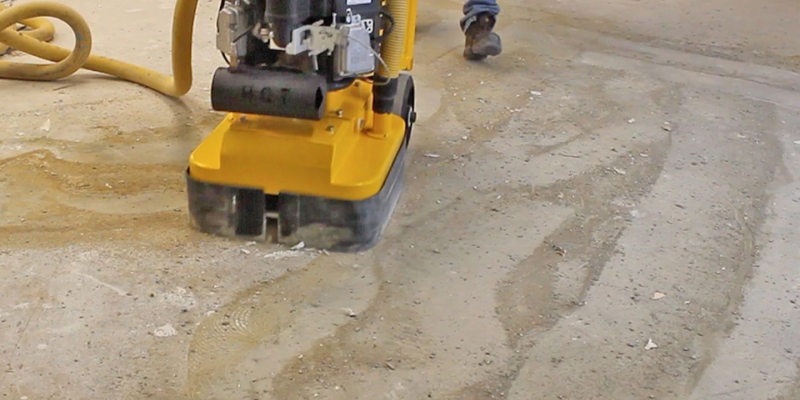
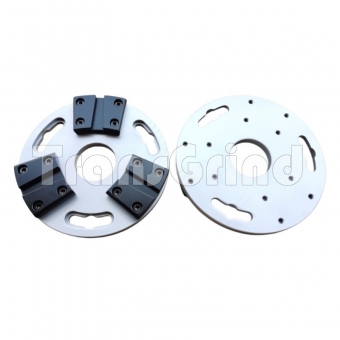
Les conditions de stockage influent également sur les performances à long terme de l'outil. Professionnel Outils de meulage diamantés Redi Lock Les outils doivent être rangés dans un endroit sec et bien organisé, à l'abri de l'humidité et des chocs. Les empiler simplement dans une boîte peut entraîner des ébréchures ou des fissures. L'utilisation de supports dédiés ou de contenants étiquetés protège les arêtes et facilite la rotation des outils en fonction de leur usure. Ranger les outils par grain et type de liant permet d'éviter toute confusion sur les chantiers.
Des outils correctement entretenus garantissent des résultats de rectification plus fiables et minimisent les temps d'arrêt imprévus. Des segments propres, un stockage au sec et des inspections régulières contribuent à prolonger leur durée de vie et à assurer des performances de coupe constantes. Bien que l'entretien soit simple, il est essentiel pour optimiser la valeur des équipements de rectification diamantée.

 IPv6 réseau pris en charge