English
 français
 Deutsch
 русский
 italiano
 español
 português
 العربية
 日本語
 Polski
 中文

Comment Pouvons-nous vous aider
Vous peut nous contacter de la manière qui vous convient Nous sont disponibles 24 heures / 7 jours via email ou téléphone.
Nous contacter
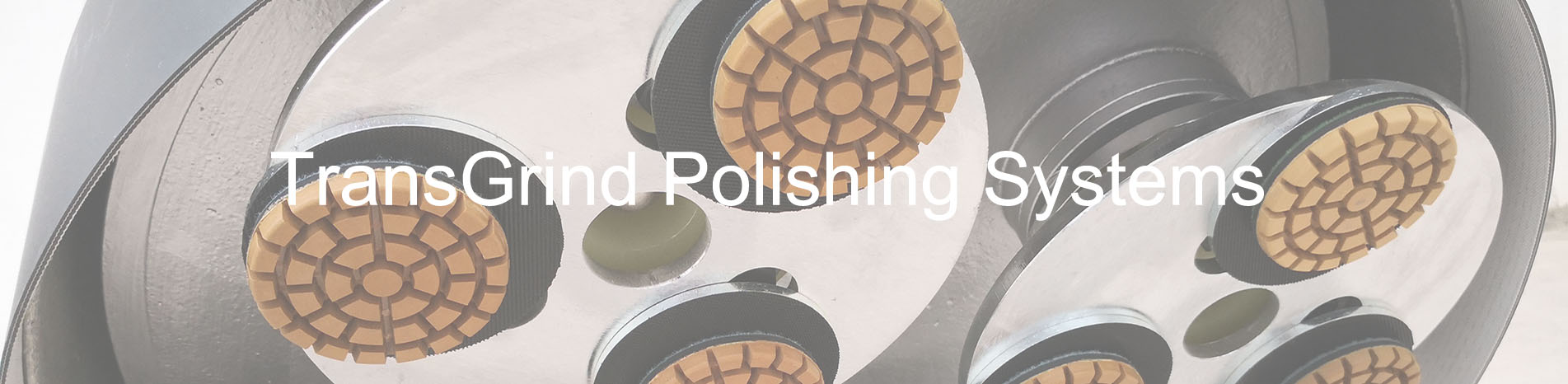
When working on concrete surfaces, not every grinding task calls for a large floor grinder. Some jobs involve a raised patch, a rough edge, or a small section of concrete that needs attention before the next stage of work. This is where a diamond cup wheel becomes useful. Fitted to a compatible angle grinder, it allows contractors to work on localized areas with greater control. Depending on its design, it can remove surface irregularities, grind down excess material, and prepare concrete for coatings, tile installation, or other finishes.
One of the most common uses is removing high spots and uneven sections of concrete. For example, after a concrete repair, the patched area may sit slightly above the surrounding floor. A diamond cup wheel can grind down the excess material and help bring the surface closer to the desired level. It is also useful around edges, corners, doorways, and other areas that are difficult to reach with larger grinding equipment. For extensive leveling or correcting significant differences in floor height, however, a dedicated floor grinder or more suitable equipment will usually be more efficient.
Concrete floor cup wheels can also help remove mortar residue, cement buildup, and certain surface coatings. The important distinction is the type of material being removed. Thin cement residue may respond well to a conventional diamond cup wheel, while thick epoxy, stubborn adhesive, or other strongly bonded coatings can quickly reduce grinding efficiency or clog the segments. For heavier coating removal, purpose-designed PCD coating removal wheels are often a more appropriate option. Using a concrete grinding wheel for every removal task is not necessarily the most effective approach, and the condition of the underlying substrate should always be considered.
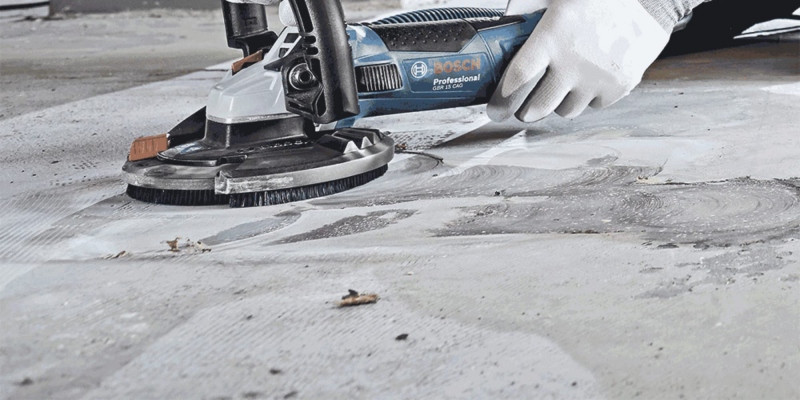
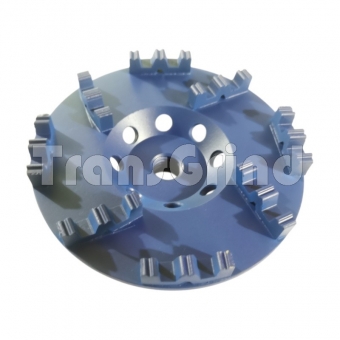
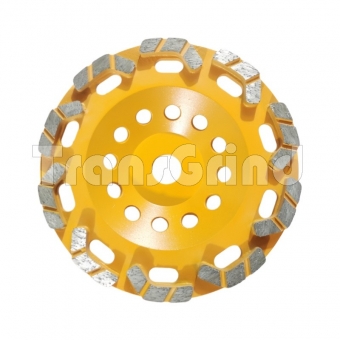
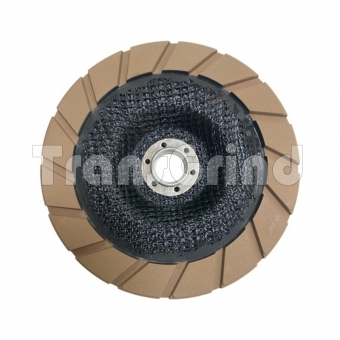
The wheel's segment configuration makes a difference to how it performs. Turbo-style, double-row, and other segment designs offer different grinding characteristics, so selection should reflect the amount of material to be removed and the surface finish required. Diamond grit and bond formulation also matter. Concrete hardness, aggregate type, and surface abrasiveness all affect how quickly a wheel cuts and wears. Rather than assuming that a more aggressive wheel is always better, contractors should consider the material and test the selected wheel on a small section before proceeding with the full job.
Before fitting a diamond cup wheel, check that its diameter, arbor size, and maximum rated RPM are compatible with the angle grinder. The machine must not exceed the wheel's marked speed limit. Dust control is another important part of the work, particularly when grinding concrete, which can release respirable crystalline silica. Use suitable dust extraction, the correct wheel guard, and appropriate personal protective equipment. Before wet grinding, make sure the diamond cup wheel is designed for wet use and that the grinding machine is approved for operation under wet conditions.
A diamond cup wheel is particularly valuable for localized concrete grinding, edge work, and removing raised material that larger machines cannot easily reach. It is less suited to polishing an entire floor or carrying out extensive coating removal. Knowing where its capabilities fit into a project helps contractors choose the right equipment, avoid unnecessary tool wear, and achieve a surface that is ready for the next operation.

 IPv6 réseau pris en charge